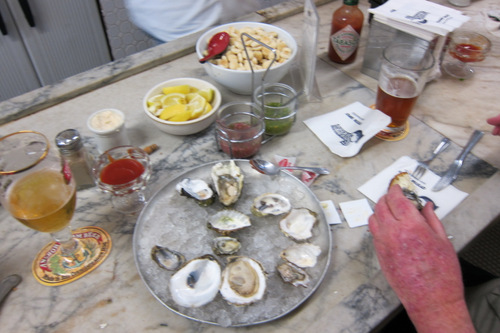
One is from the Rector’s front patio, and the other is from the Peppermill casino. Bet you can’t guess which is which…

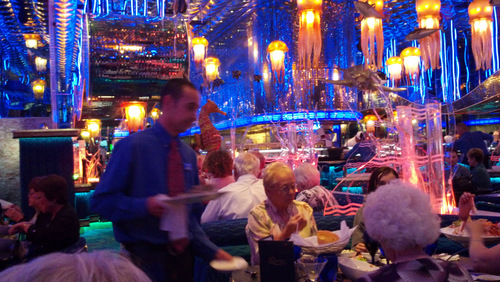
One is from the Rector’s front patio, and the other is from the Peppermill casino. Bet you can’t guess which is which…
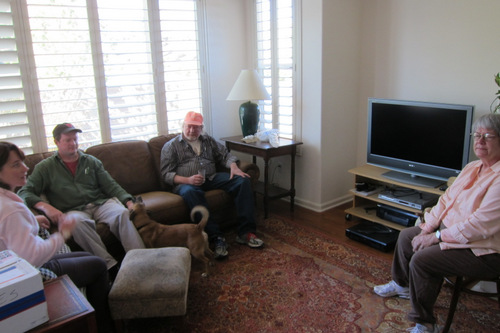
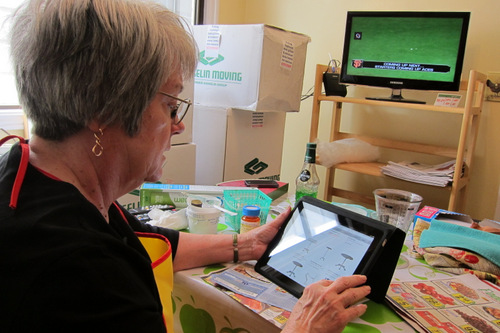
After a long day of moving IN, the family gets a chance to try out the living room set-up for the very first time. Ahhhhhhh.
There will be days and weeks before most of the boxes are unpacked, but M&C slept in their new home only a day after leaving SF. Moving may be one of the most stressful experiences in a person’s life, but careful planning and packing limited the impact on the Rectors this time. What an accomplishment! I was glad to be able to watch it unfold, and I could tell that M&C look forward to exploring their new house, community, and city.
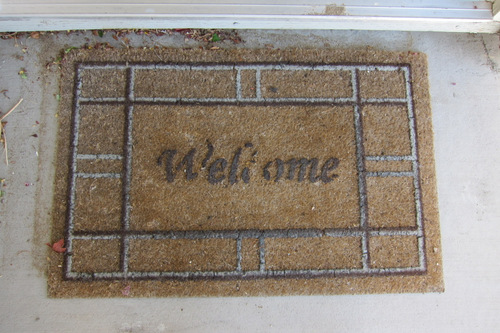


How SWEET it is!


We had a late dinner at the only restaurant left open in Colfax, CA (a pretty little mountain town well past Sacramento into the Sierras): Main Street Pizza. It was REALLY good — thin crisp crust, tasty sauce, and lots of cheese. It almost made me want to register on Yelp to get them out of three-and-a-half-star-hell. Maybe it actually will push me over the edge.


The waiting is the hardest part. But a couple of Nicks Crispy Tacos sure does help while the movers wrap and pack your life up.

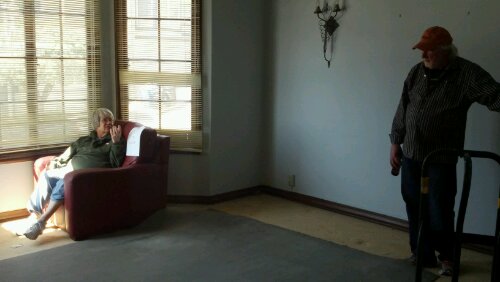
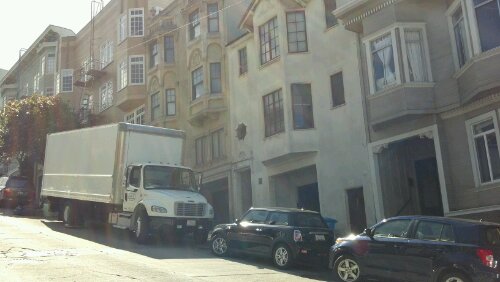

Marc and Carol are moving from SF to Reno, leaving the apartment they found by happy accident on Union St. When they stopped to have pizza nearby as they scouted for temporary living quarters as Marc had signed up to work for Hood Miller.
Interestingly, this marks the end of their THIRD twenty year venue period focused in a single place :

The word ‘book’ comes from the German ‘buch‘ meaning simply an item with words fixed on it. It shares the word for ‘beech’ tree because healthy beech bark is remarkably smooth and light gray, whereas marks carved into the living bark of beech trees would first turn black and then grow with the bark, preserving carved words “forever.”
Actual books were first made by monks, who dedicated their lives to collecting and preserving the knowledge of the world. These books were made by hand, often taking years as pages were meticulously arranged and often decorated. The finished books were protected by the monks, and available for reading by a select few clergy, for literacy was necessary only for religion and the government. Rich folks hired people to read for them. Beyond the monks’ libraries and government archives, knowledge transfer was strictly oral.
Those who controlled books controlled power (religion and government). The extraordinary cost (in labor and time) of creating a single book meant that only the wealthy could afford to make them and keep them.
Then some clever people (first in China, then in Germany) figured out an easier way to reproduce words, and books, using moveable type, and suddenly books were cheap and it was worth the time and trouble to become literate because books were popping up all over. It’s no coincidence that the release and consumption of ideas using printing presses (Guttenberg Bible published in 1455) came in the early states of the “Renaissance” cultural revolutions across Europe.
Continue reading “In The Beginning There Was The Word”

 RectorSite