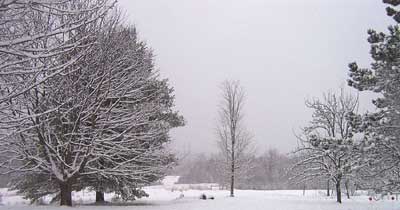
A Maine Snowy Moment

Alison on the hearth
Late this afternoon as I sat on our couch, opposite our big masonry heater, reading Julie & Julia (the part where CBS news has cameras follow her shopping, then home to cook) Alison looked up from her book — Cold Sassy Tree (for her book group) — and said, “it’s been a year since we found ‘Black and Whitie’ the cat.” The Olympics are on the TV with the sound turned off (boy do those speed skaters have big thighs…), and the wind is blowing outside where it’s still snowing as we get the end of the storm that has buried most of the East Coast. Then the national news came on, and the headline is that VP Cheney shot a guy…?

–E 12Feb2006

sour hot salty bitter stinky goodness

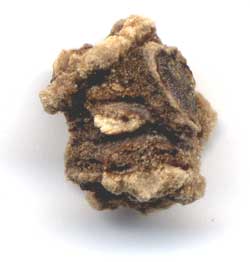
kimchee jarI love daikon radish, maybe too much because I tend to grow too much of them at once. It doesn’t help that I’m the only person in my family who eats them.
I think back to fond childhood memories of hot summer afternoons when my father would enjoy a turnip and a beer on the weekends while watching a Red Sox game on TV. He would peel the fist sized white and purple root in one long spiral strand, then eat it slice by slice, pulling the knife across the edge of the sphere, using his thumb as a stop. If I were quiet, he might hand me a slice every so often. This crunchy cool vegetable would taste the way green looked, then provide a little scorching pop in the sinuses and out the ears. The aftertaste was best: a lingering mustardy burn that would persist in the back of the throat, reinforced by the occasional burp.
Continue reading “sour hot salty bitter stinky goodness”

West Broad Map Header

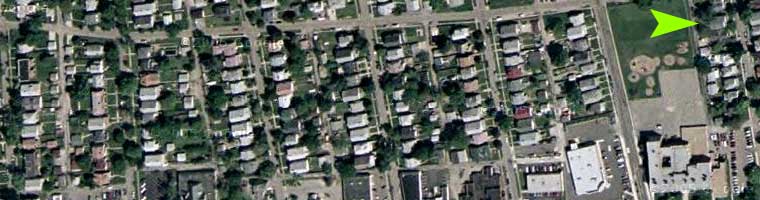
UPDATE update: Ooops! I got mixed up and thought it was NORTH Harris, sorry. I have readjusted the view and am now pointing to the SOUTH Harris home with the empty lot beside it…how’s that look?

1st UPDATE: New map is now adjusted south to show West Broad itself, and green arrow shows approximate site of the homestead. I slightly darkened the images behind the title, and I think that helped a lot.

Tommy wanted me to zoom in, but when I do that, I lose West Broad completely. You can check it out by clicking the thumbnail below.

Zoom on Harris Ave.

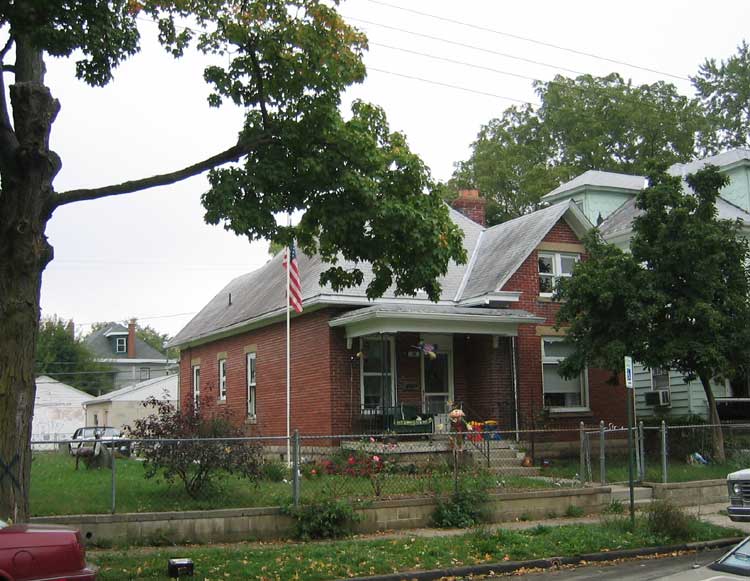
What do you think about the new header for the Rector Web Site?? It’s a satallite image of the old Hilltop neighborhood around West Broad, with an approximate pointer to the family house? Has any one else made the pilgrimage recently? Click on this thumbnail of the picture Marcus took when we visited there last October to see a larger version.

I’m open to other ideas of header images, expecially if you want to send contributions for header images (make sure they’re 760 pixels wide, and 200 pixels tall — JPG or PNG or GIF will work)

–E

Formaggio Rustica Romano

Cottage Cheese
Ingredients:

milk
hot pepper seeds
salt
olive oil

Process:

1. Ten months ahead of time, plant two seeds in a small pot. Any cayenne type of hot pepper will do — Super Chile 100, or Matchbox are good varieties, especially for northern climates. Make sure it stays warm and moist with plenty of sun. If both seeds germinate, thin the smallest seedling before it gets its second set of leaves. Transplant remaining plant outside after threat of frost once the seedling is over four inches tall.

[It might be a good idea to call Brian and Valerie this far ahead of time to arrange access to Rougette de Pignan olive oil, and Sel de Guerande aux algues “Les Ouessantines” salt, just to make sure its on hand when you will need them…they make this dish extra special.]
Continue reading “Formaggio Rustica Romano”

Heat With Wood

Maine Masonry Heater

We heat primarily with wood in Maine, and for those of you who haven’t visited (yet!), we burn most of that in a gigantic brick box (called a “masonry heater” or a “Finnish Fireplace”) parked in the middle of our kitchen/living room, which makes up most of our house’s ground floor. The theory is that instead of using the intense, but intermittent (only hot when a fire is burning), heat of a steel wood stove to heat the house, we heat a big thermal mass (most of the brick box is a labyrinth of flues to best capture the heat of the fire) that radiates a low-level, but constant, amount of heat. We fire it twice a day, but it is warm/hot 24 hours a day, which the cats have definitely noticed.
Continue reading “Heat With Wood”

Snow In Maine

Snow in Maine

After several rainstorms that had washed all of our existing snow away, today it finally snowed again in Maine, and all looks right with the world again. It was big slow fluffy soap-flake snow, exceedingly squeeky with every step.

–E

Food for all appetites

Food for all appetites

This web site will focus on what these Rector’s focus on most of the time: good food and interesting ideas. Here’s an example of at least one of those: grilled California artichokes on an early Spring evening in Maine.

Thanksgiving 2006, Brunswick

The Brunswick Thankgsgiving IdealFor this year’s Thanksgiving (2005) I had the challenge of working with a large (about 25 lbs.) turkey when the size and time to roast could be an problem for other T-day items that required an oven that day for the small group (around 15 people) at this year’s meal.

The other challenge was to the notion of brining. With the publication of the revised edition of his culinary classic “On Food and Cooking,” author Harold McGee has loudly denounced the latest trend in turkey: brining. McGee contends that salty water merely dilutes the natural flavor of the meat, which is counter productive. His secret to a moist breast AND fully cooked leg and thigh is a temperature differential. From the article that had just appeared in the New York Times titled: “The Pilgrims Didn’t Brine” McGee explains:

“The trick is to establish an unevenness in the temperature of the two different parts, the breast and the thighs,” he said. The easiest way is to set the turkey on the counter and strap a couple of ice packs on the breast about an hour or so before roasting.

This year, Mr. McGee plans to increase the effect by starting the bird breast side down in a cold pan with cold vegetables and placing a sheet pan on the floor of the oven to slow the heat from the bottom. Then he’ll flip the turkey halfway through cooking.

Well, the Pilgrims PROBABLY didn’t brine (although they did preserve many meats in salt…), but it’s also likely that the Pilgrims didn’t eat turkey at the first Thanksgiving! We have been very happy with the results of brining our T-bird for the last five or six years, so I took this advice with a “grain of salt” but I was still intrigued by the notion that I might not be experiencing the full turkey flavor that McGee insists is being diluted. The other challenge was that brining such a large bird would require a large container not normally used for food (i.e. our plastic recycle bins), and that presented the possibility of introducing faint “off” flavors to the meat no matter how well scrubbed the bin was because plastic absorbs odors over time. The thought of turning our home-raised organic bird into something redolent of newspaper ink was distressing.
Continue reading “Thanksgiving 2006, Brunswick”